Max ROI Upgrades via luminis.media property photography in Houston
If you sell or lease property in Houston, you already know the camera is not a neutral witness. It is a value amplifier. Get the details and timing right, and ordinary spaces turn into high intent click magnets that convert online curiosity into in‑person showings. Skimp on preparation or misjudge the media plan, and even good homes read as forgettable. The difference can be tens of thousands in sale price, or weeks shaved off time on market.
I have spent enough hours on-site with sellers, builders, and investors to see the same pattern repeat. Strategic micro‑upgrades plus disciplined visual storytelling deliver the highest returns. The following playbook lays out how to target those upgrades and how luminis.media property photography in Houston turns them into monetary outcomes.
Why Houston visuals behave differently
Houston is not a monolith. A 1920s Heights bungalow is marketed, and photographed, differently than a gated Cinco Ranch cul‑de‑sac with pool, which is different still from a Midtown high‑rise or a new build in Spring Branch. Climate and lifestyle push the visuals too. Buyers respond to shade, usable outdoor space, and mechanicals that signal reliability in heat and storms. They browse on mobile first, often on the go, comparing ten listings in two minutes. The first three photos carry most of the weight.
Local factors that shape the visual strategy:
- Light: Gulf humidity softens midday sun, so interiors can drift flat if you do not control exposure. Window views matter, but there is glare from pool water, glass doors, and polished tile.
- Weather: Pop‑up thunderstorms are normal. A team that can pivot to interiors first, then catch a break in the clouds for exteriors, protects your day.
- Lot use: Outdoor kitchens, covered patios, and pools are major decision drivers. Photography must sell use, not just presence. A grill under deep shade with fan and lighting reads as year‑round livable, not seasonal.
- Drive time: People shop neighborhoods as much as homes. A series of supporting frames that quietly reference walkability, garage access, or commute advantages help the listing feel anchored in real life.
The media plan that works in Denver or Phoenix is not a 1:1 transplant. Luminis Media real estate photography is built around these Houston variables, from lens choices and lighting to scheduling and airspace planning for drones.
The first ROI lever: upgrade only what the camera can prove
The market will not pay for upgrades it cannot see or easily infer. You might appreciate R‑38 insulation, but your primary photos will not. Some behind‑the‑walls investments are essential, and they belong in the description and the seller’s disclosure. The visual dollars, however, should go to elements the camera celebrates.
Here is a tight, high return prep stack that repeatedly pays for itself when paired with luminis.media real estate photography:
- Repaint high‑touch zones in a single cohesive neutral with a crisp white trim, then swap yellowed outlet covers. The camera exaggerates color cast and dingy plates undermine a clean narrative.
- Replace builder‑basic dome lights with simple modern fixtures and use the same LED temperature throughout, 3000K is a safe target. Mixed temperatures photograph poorly and feel chaotic on mobile.
- Resurface or deep clean grout and caulk lines, especially in kitchens and baths. Close‑up compositions reward clean seams with a “new build” look, even in older stock.
- Add inexpensive cabinet hardware and a statement faucet only if the style aligns. Small, consistent metal accents photograph as intention, not patchwork.
- Stage outdoors lightly, two chairs and a side table under a fan with a plant. Houston buyers picture mornings and late evenings outside. The photos should make that effortless to imagine.
That is the first list. It is short on purpose. Most clients do not need more than this to see a measurable lift. Real estate photography Luminis Media teams will walk the property before the shoot and prioritize any final tweaks that produce outsized gains, like switching a rug or moving a lamp to control specular highlights on flooring.
Prepare the home the way the camera sees it
On a walk‑through, I look for what the camera will interpret, not what my eyes forgive. Human eyes adapt to dynamic range, subtle color shifts, and clutter. Sensors do not. The best prep compliments the way lenses and sensors capture space.
Trim personal items to reset scale. A dozen small decor pieces make a room feel tiny on a wide lens. Two or three larger items hold scale and lines. Control reflective chaos. Glossy tile, black granite, and glass surfaces scatter highlights, so we reduce mixed light sources. Turn off under‑cabinet lights if they are a clashing temperature. Replace property photography spring tx bulbs in ceiling cans to all match. Check ceiling fan dust and blades, because they show up in bracketed exposures.
Windows are a headline feature in many Houston homes, even though they leak light. I ask for a simple, clean window dressing that can fully retract. We will often shoot a mix of exposure‑blended frames and light painting to protect exterior views without turning interior shadows muddy. Luminis Media real estate photos often include a gentle window pull when it truly adds value, such as a second story view over live oaks or a patio that opens to the pool. If the view is a fence, we keep it bright and inviting instead of forcing a view that distracts.
For occupied homes, a one‑hour reset right before arrival pays dividends. Hidden bins in the garage. Fresh folded towels. Toiletry minimalism. You do not need a truckload of rental furniture to sell warmth. You need consistent lines, light, and the suggestion of a plausible life.
How Luminis Media makes rooms read larger and more expensive
A camera can make a small room look reasonable without lying, and make an average kitchen look tailored without heavy editing. It takes decisions at every step.
Composition sets the story. We avoid the corner‑to‑corner cliche unless it serves the space. A slightly offset one‑point perspective steadies verticals and produces a magazine feel. In kitchens, we balance appliance reflections and keep counters mostly clear with a restrained triangle of items, perhaps a wooden board, a plant, and a simple carafe. In bedrooms, we shoot the bed head‑on when possible to calm the frame. For long living rooms and open plans common in Fulshear and Cypress, we sequence shots to explain flow. Buyers should be able to navigate mentally without reading a floor plan.
Lighting is the second variable. On bright days, we prefer a natural light base with selective flash to lift wood tones and keep ceilings white, not tan. On gray days, staged interior light becomes the hero. We kill mixed kelvin and then add flash to pull back the green a CMOS sensor might add in shadow. That is why cheap mass editing fails. Good real estate photos luminis.media are made with restraint at capture and taste during edit.
Color management matters more than most realize. Warm wood and cool wall paint can fight on camera. We use color‑checker references in tricky spaces so the final set looks like a cohesive brand, not a patchwork. Luminis Media listing photography pushes toward lifelike, not hyperreal. Oversaturated grass and neon blue pools get clicks, but they undercut trust at showings.
Exterior and pool strategy in a climate that loves water
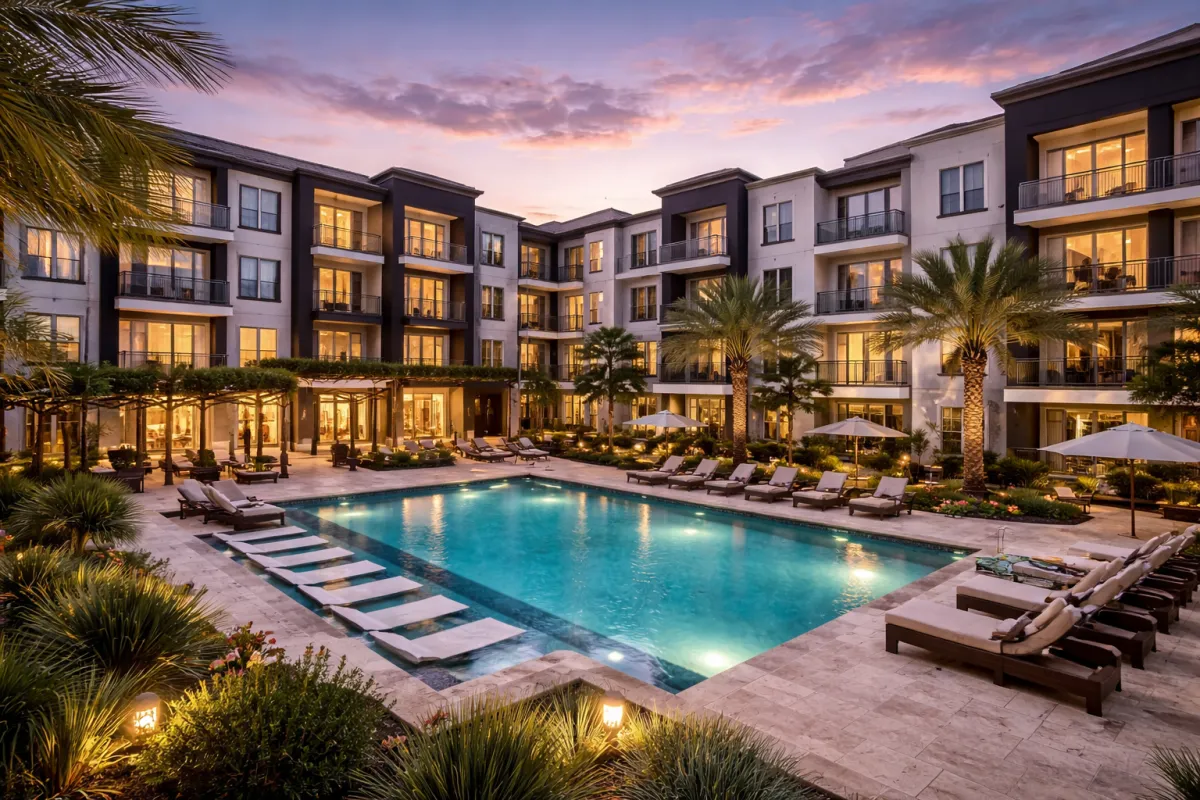
Houston’s pool stock is a gift if handled well. Water wants specular highlights and deep color gradients, which midday sun ruins. We prefer a late afternoon window for exteriors and pool shots, or a true twilight set if the yard lighting is strong. We balance the pool light with house interior lamps to keep windows warm, not nuclear white. If your outdoor kitchen is the star, we shoot a set at dusk with the grill hood light on and the ceiling fan visible. It signals breeze, which is shorthand for comfort.
Rooflines and driveway widths can get distorted. Drone work helps here. Luminis Media real estate videography and stills from a drone show lot use, set‑backs, and privacy. In areas close to Hobby or IAH, we plan around controlled airspace and altitude limits. Where drones are not practical, a tall pole mast supplies that gently elevated curb angle that lengthens the drive visually and flattens perspective. No gimmicks, just clean geometry that buyers trust.
If the property is in a flood‑sensitive area, visuals should not avoid reality. Show grading, culverts, French drains, and raised entries when they are strengths. That calms risk‑aware buyers faster than a line in the remarks ever will.
Media types that earn their keep
Photography is the workhorse. But the media mix is where you match budget to buyer behavior. Think of it as an asset portfolio. You invest where marginal returns are strongest for the property class and price point. Here is a compact guide that reflects what we see work across Houston segments.
- Pro photos: Non‑negotiable for nearly every listing. They drive click‑through, save‑to‑favorites, and showing requests. Expect a material lift over phone shots in both speed and price negotiations.
- Floor plan or measured sketch: High ROI on townhomes, condos, and any home with atypical flow. Reduces unproductive showings and boosts confidence for relocation buyers.
- Drone photos: Best for large lots, pools, cul‑de‑sacs, or proximity to greenbelts, lakes, or Bayou trails. Also strong for new construction where streetscapes sell quality.
- Short‑form vertical video: A 20 to 45 second reel cut from Luminis Media real estate videography performs well on social channels and agent newsletters. It feeds the top of the funnel fast in the first 48 hours.
- True video tour or narrated walk‑through: Worth it on custom builds, estates, or architect‑driven properties where materials and flow matter. Skip narration if the acoustics or furnishings are not ready to support it.
That is the second and final list. Everything else in your plan can live in prose.
Timing shoots to Houston’s sky and schedule
Morning or late afternoon are safe starting points, but the plan bends to the story. A glassy high‑rise unit downtown looks better mid‑morning when the skyline pops and the interior is not backlit. A west‑facing backyard in Katy earns more with a twilight shoot to show the pool lighting and patio scene. For homes with mature oaks over the driveway, we may push later in the day to let the sun reach the facade.
Storms are not a reason to cancel. We often shoot interiors during rain, then pivot outside as the front passes and the sky cleans up. The air turns clear and saturated after a storm, which reads beautifully on exteriors. Cloudy day exteriors with a controlled sky replacement are acceptable when there is no alternative, but we avoid replacing skies in reflections or pools. Consistency builds trust.
Occupancy drives schedule too. With families, late morning once kids are at school reduces stress and clutter. For short‑term rentals or furnished corporate leases, we book during turnover with the cleaner still on site, polishing right before we press the shutter.
How much return to expect from visual upgrades
Every market week differs, and your comp set matters. That said, across repeat projects we see patterns when clients invest thoughtfully in both prep and media.
- Days on market: A drop from several weeks to a week or two is common for mid‑market homes that launched previously with weak visuals and then relisted with strong luminis.media real estate photography. Fresh listing or price strategy influences this too, so attribute the win fairly.
- Offer strength: Clean, coordinated visuals often attract buyers who will waive minor repair requests or push appraisal buffers because the home feels better maintained. This is not a guarantee, but it shows up often enough to notice.
- Lead quality: Investor rentals photographed like homes, not commodities, attract longer‑term tenants and fewer showing no‑shows. For STRs, better visuals drive higher off‑season occupancy.
I avoid pretending there is a fixed percent premium tied only to photos. Pricing, timing, rate moves, and micro‑location all stack. What I can say with confidence is that the cheapest place to buy perceived quality per dollar is in the camera’s view.
Photo selection and sequencing on HAR and the portals
Most shoppers will see your set on a small screen first. You need a hook, then a proof sequence that rewards the click with a feeling of transparency.
Lead with a hero that establishes the strongest value story. For a Montrose home with striking oak floors and steel windows, the interior great room might out‑perform the front elevation. For a Sugar Land two‑story with a perfect pool, the rear exterior near sunset is the opener. Follow with two to four images that confirm benefits without redundancy. If you open with the pool, then offer a secondary angle that shows the outdoor kitchen, then the interior living room with the same backyard visible through sliders. The buyer’s brain maps the flow.
Avoid repeating nearly identical frames. Variety communicates confidence. Include a floor plan early in the carousel on condos and townhomes. Keep detail shots rare, unless the home has artisan tilework, custom millwork, or premium appliances that target a known buyer cohort. On the MLS, especially HAR, remember that the first five photos are your storefront for all the portals. Luminis Media real estate photos are delivered with sequencing suggestions that match the story we observed on site.
Case examples from the field
A Heights bungalow, 1,520 square feet, on a narrow lot with a modest kitchen. The seller had planned a full cabinet replacement. Not necessary. We asked for new paint on walls and trim in two rooms, simple black knobs, and a matte black faucet. We scheduled a late afternoon shoot to let light slide in through the east windows and warmed the space with two table lamps. The counter held only a wooden board, a green plant, and a folded towel. The photos looked like a magazine rental, not a flip. We skipped video, added a measured floor plan for the awkward hallway, and included a twilight exterior. The listing drew back‑to‑back Saturday showings and a strong over‑ask offer from a buyer who had lost twice nearby. The seller told me the buyer mentioned the “calm” of the photos. That calm came from color and composition choices, not editing tricks.
A Katy two‑story on a cul‑de‑sac with a pool and an outdoor kitchen under a deep cover. The owners had mixed color lighting throughout. We swapped bulbs, moved a few pool toys, and staged the outdoor dining table with water glasses, nothing fussy. We shot standard exteriors and a second set at dusk to show the string lights and pool glow. Drone stills at 100 feet placed the home in relation to the greenbelt and walking path. We cut a 30 second vertical video from Luminis Media real estate videography to push on Instagram and in an email blast to local agents. That reel earned quick saves and the listing jumped in showings within the first 48 hours.
A Midtown condo in a building with limited windows and a view of a neighboring wall. We avoided the temptation to fake an exterior view. Instead, we leaned into texture and design. Clean, soft grading, tight compositions that emphasized cabinet quality and the bathroom finishes, and a clear floor plan early in the set. We added a two‑minute walk‑through video without narration so out‑of‑town buyers could understand scale. The listing saw fewer total clicks than pool homes out west, but a higher ratio of inquiries to views. That is a quiet win, and frankly the only one that matters when comps are similar.
The investor’s angle: repeatable systems
Flippers and build‑to‑rent operators need consistency more than one‑off brilliance. The same five prep actions before every luminis.media listing photography session, the same LED color temperature across your portfolio, the same staging kit packed in the same bins, and a media package that scales with ARV. For most rental homes, pro photos, a simple floor plan, and a short vertical reel deliver a handsome return. For higher tier properties or competitive lease‑ups, add drone and a 60 to 90 second video that agents can drop into texts without friction.
Coordinate shoots to batch multiple doors on the same day by neighborhood, but do not sacrifice the right light for speed. Houston’s sky is generous if you plan. I often build the day around two twilights in different subdivisions and stack interiors between them. Luminis Media real estate photographer teams can split to capture back‑to‑back golden hours when inventory is tight.
Common mistakes that bleed ROI
The first is over‑editing. Heavy sky swaps, neon pools, over‑bright interiors that blow out light fixtures, and perspective corrections that bend baseboards all look good for a second, then feel wrong. The buyer will sense it by frame three and leave.
The second is mixed kelvin. Warm and cool bulbs in the same scene trigger low confidence. It feels like deferred maintenance, even in a well‑kept home. Fix it once with consistent bulbs and you pocket the return across every photo.
Third, wide angle abuse. There is a belief that wider is always better. It is not. It makes rooms distort at the edges and cheapens the vibe. Use wide glass when it serves legibility, then switch to normal or short telephoto to compress and calm. Luminis Media real estate photographer crews carry multiple focal lengths and do not default to extreme wide.
Fourth, ignoring the order of photos. Dumping a folder into MLS kills momentum. Thoughtful sequencing sells a path, not a collection of rooms.
Lastly, pretending the backyard or balcony is an afterthought. In this climate, outdoor space is the second living room for nine months a year. Photograph it at a time of day when it is actually usable. Show shade. Show fans. Show mosquito system nozzles if installed, because locals know what that means.
Vertical video, used surgically
Short vertical video works when it respects attention and context. A 30 second cut with three or four scenes that establish entry, living, kitchen, and the main outdoor area performs on social and in agent texts. It is not a substitute for photos, it is a complement that carries motion and sound, even if that sound is just light ambient music. For the right listings, real estate videography luminis.media will produce a landscape version for YouTube and a vertical cut for Reels and Shorts. We do not narrate every video. Unless the property has a story only voice can carry, music and pacing often do the job.
Working within HOAs, towers, and airspace
Planned communities are pragmatic. They want listings to shine, but they enforce rules. Clear communication with the HOA about drone use and timing avoids friction. In towers and mid‑rises, coordinate with building management for elevator access and any photography rules about common areas. When we bring a drone near controlled airspace, we secure authorization and fly within posted limits. Luminis Media property photography teams plan these logistics before the day so the shoot time stays focused on the home.
The quiet art of twilight
Twilight is an easy upsell to make poorly and a powerful upgrade when used correctly. It should be used when the home has strong exterior lighting, architectural lines that glow at dusk, or a yard with real night life. For an average facade with two coach lights and no landscaping, a twilight shoot can disappoint. Better to use late afternoon warmth and save the budget for a floor plan or a reel. When twilight is right, we stage interior lights on dimmers, keep 3000K bulbs to avoid orange windows, and time the exposures when the sky matches the window brightness. Luminis Media real estate photos at twilight are less about a purple sky and more about emotional coherence.
Tracking what works
You cannot improve what you do not measure. On HAR and portal syndication, watch the first seven days closely. Track views per photo, saves, and showing requests. If you are running vertical video, pull platform insights and compare to prior listings in the same category. Tag email links and social posts with simple UTMs so you know which channel sparked a showing. Over time, you will see that certain neighborhoods overperform with drone stills, while others rely on a killer kitchen lead photo.
For investors, track days to application on rentals and days to offer on sales. Note which media sets correlate with fewer repair requests after inspection. Often, the listings that feel the most dialed in visually attract buyers who are less likely to nickel and dime. That is part psychology, part selection bias, and it is still useful.
When to scale up or down
Not every property warrants the full suite. A clean starter home in Alief will outshine its comp set with professional photography alone. Do not shoehorn pricey video into a tight margin play. On the other hand, a one‑off architect design near Memorial Park begs for full Luminis Media real estate videography paired with a floor plan and a twilight set. The point is alignment. Spend where a buyer will feel it and where the camera can prove it.
For new construction, especially speculative builds in Spring Branch or Garden Oaks, use a templated media package that includes a measured floor plan, drone stills, and a 60 to 90 second video. Your brand as a builder becomes visible through repetition and quality control. Real estate photography luminis.media can keep that brand consistent across dozens of doors.
Final thoughts from the field
The Houston market rewards clarity, warmth, and honesty in visuals. Buyers are sophisticated. They compare, they zoom, and they triangulate between photos, mapping apps, and street views within minutes. The path to maximum ROI is not mystery. It is discipline. Upgrade the parts of the home the camera celebrates. Schedule to the sky. Choose compositions that respect geometry. Keep color honest. Pick media that matches the property’s story. Then sequence the set to reward curiosity.
When you layer those choices with Luminis Media property photography, you are not buying pretty pictures. You are buying leverage. A buyer who already feels at ease when they step through the door. A shorter negotiation because perceived care matches reality. And a set of assets that carry your reputation to the next listing. That compounding effect is the quiet engine behind strong ROI in Houston real estate, and it starts before the first shutter click.